Allied POWS Under the Japanese

日本軍政下の連合軍捕虜研究センター

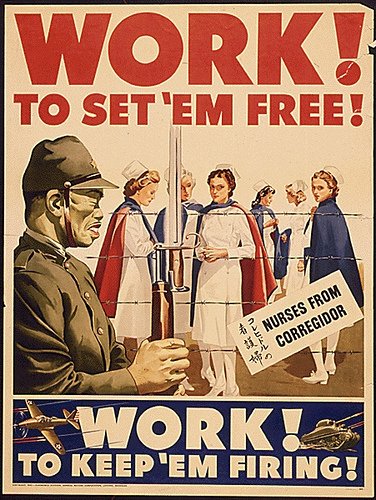
Nurse POWs from Corregidor

To provide a primary source of documentation for all of the Allied prisoners of the Japanese during WWII, determining to which camps they were taken and when, and where they were rescued, including, where possible, rosters of the hellships on which they were transported, and, if a man perished, where, when and how.

We freely cooperate with and welcome links amongst the many dedicated researchers who join us in this great effort.

These POWs were the men and women sacrificed at the beginning of WWII. Their service should never be forgotten.

We honor them… by remembering them.

"Lord, hold our troops in your loving hands
Protect them as they protect us
Bless them and their families
for the selfless acts they perform for us
in our time of need... Amen"

roger-mansell-hires

Capture

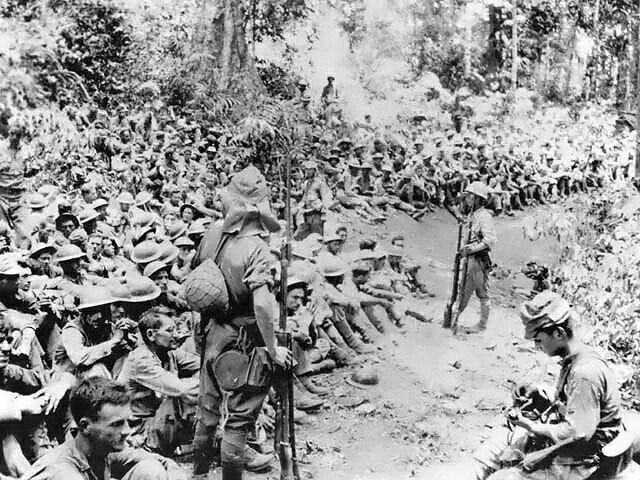
POWs were captured by Imperial Japanese Forces, or were surrendered by Allied military leaders

Camp life

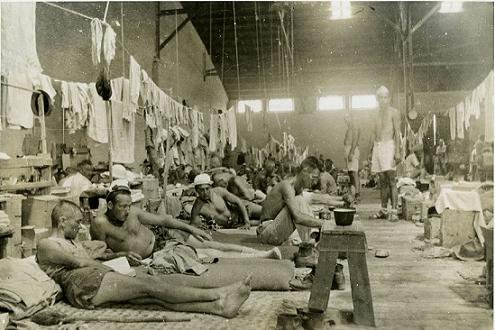
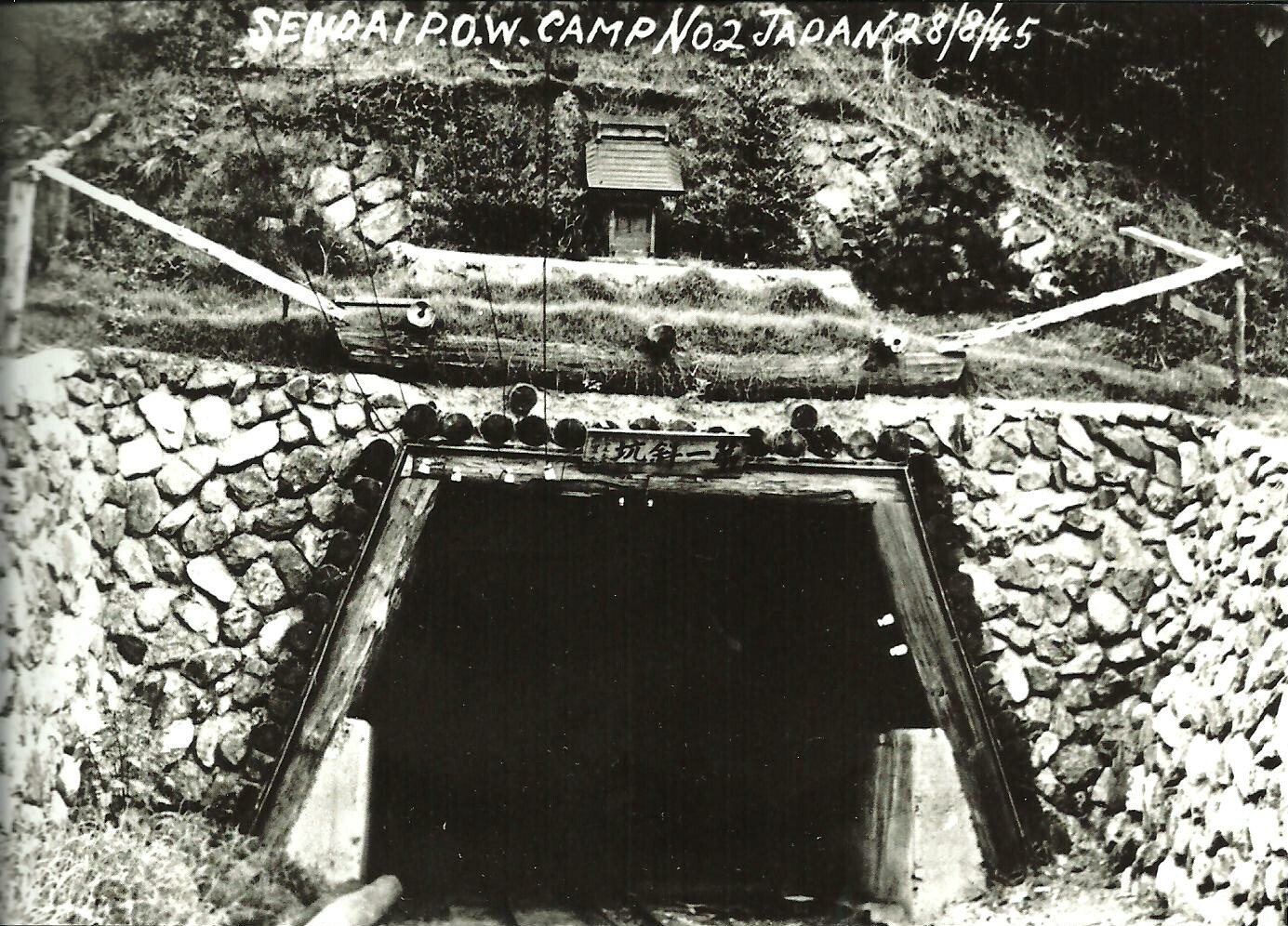
Hundreds of camps throughout Japan and SE Asia were the dismal domicile for tens of thousands of POWs and civilian internees

Hell ships

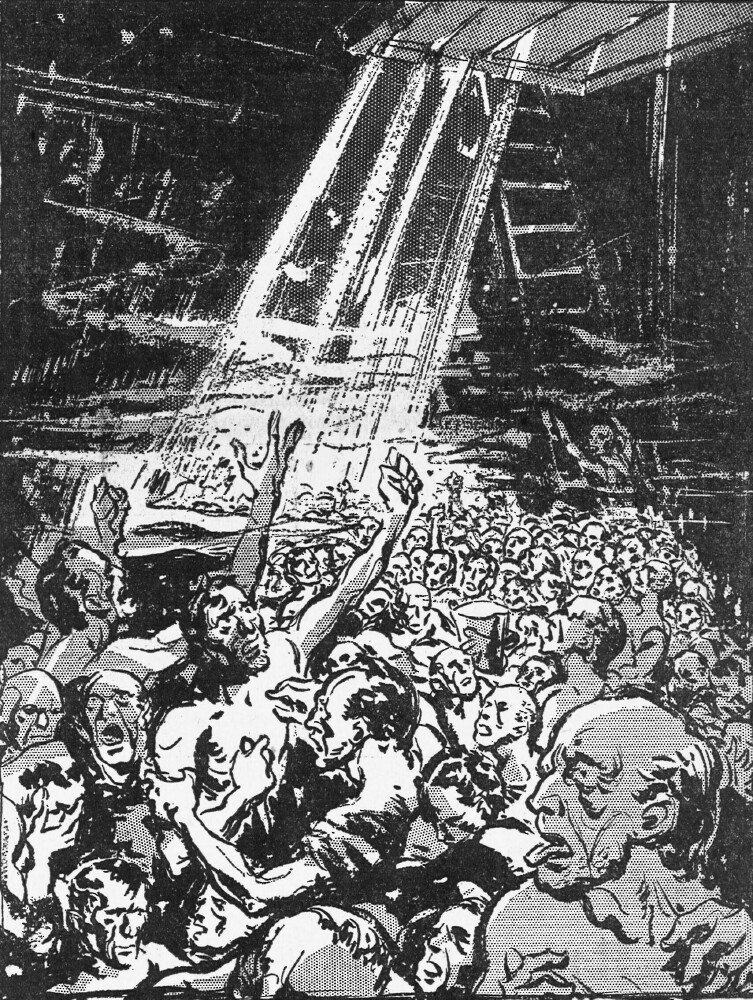
Packed into hot and stench-filled cargo ships, POWs were transported to camps in Japan and SE Asia

Forced labor

POWs were put to work in dozens of industries to help Imperial Japan’s war efforts

Sickness and death

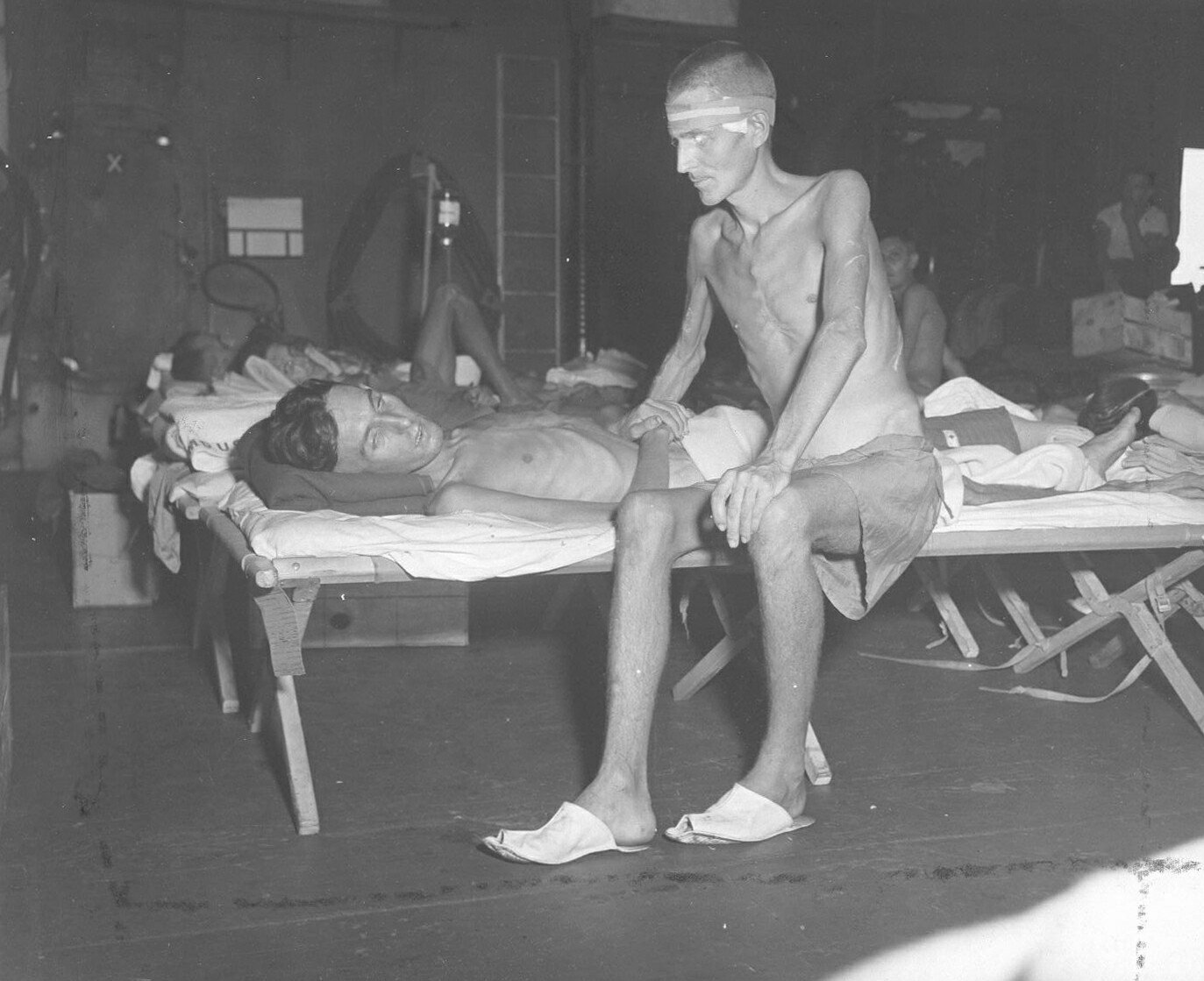
Sickness was rampant and the death rate was high… most preventable

Liberation and Recovery

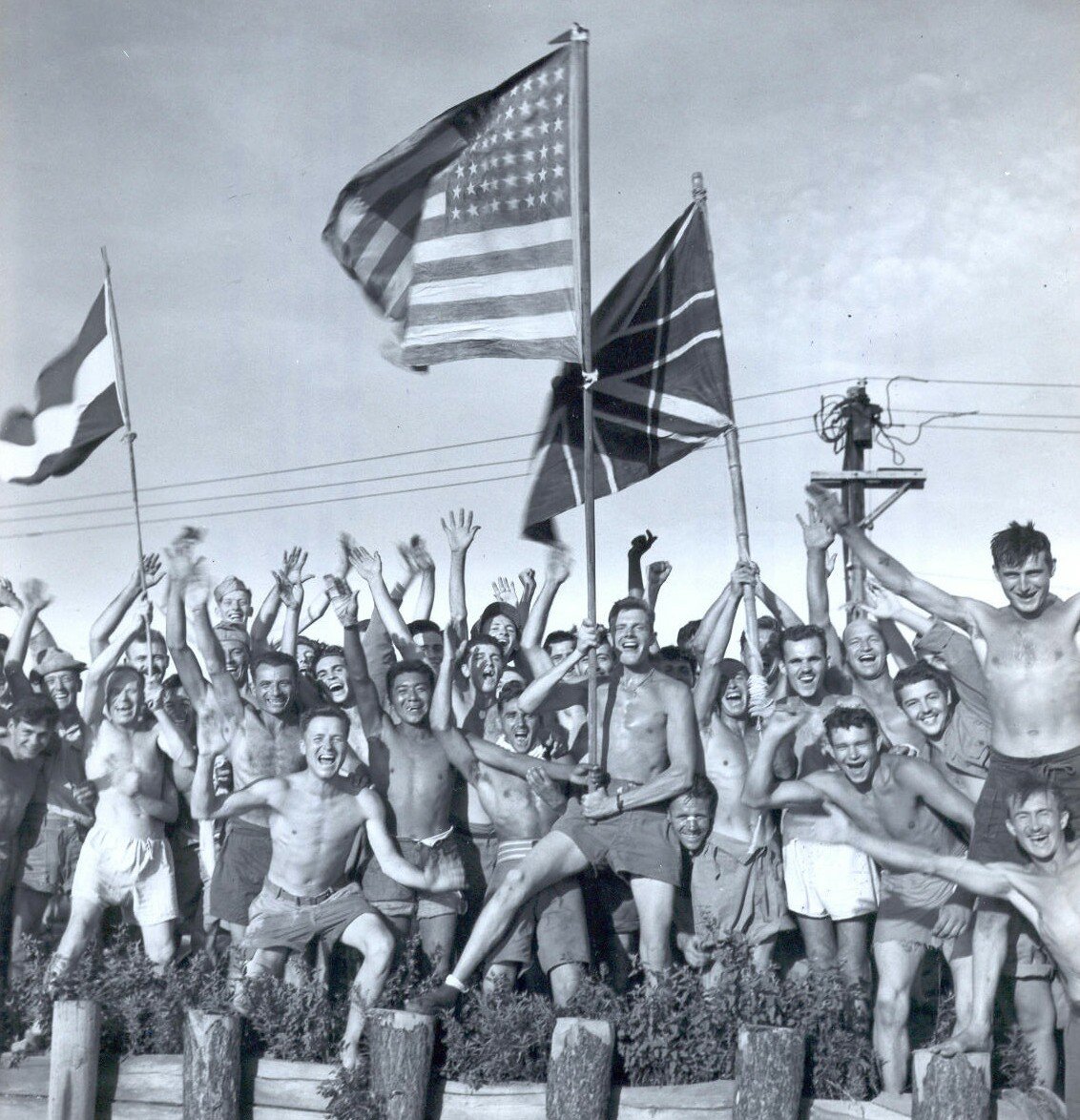
POWs were finally set free – after 3-1/2 years of imprisonment for some – and efforts to recover all of them were immense

Searching for Information about Allied POWs held by the Japanese

Feel free to contact us about anything regarding Allied POWs and civilian internees. We also have information about how to obtain medals.
REMEMBER!
Use the tools in the Search Helps first — then send us an email if you need more help.

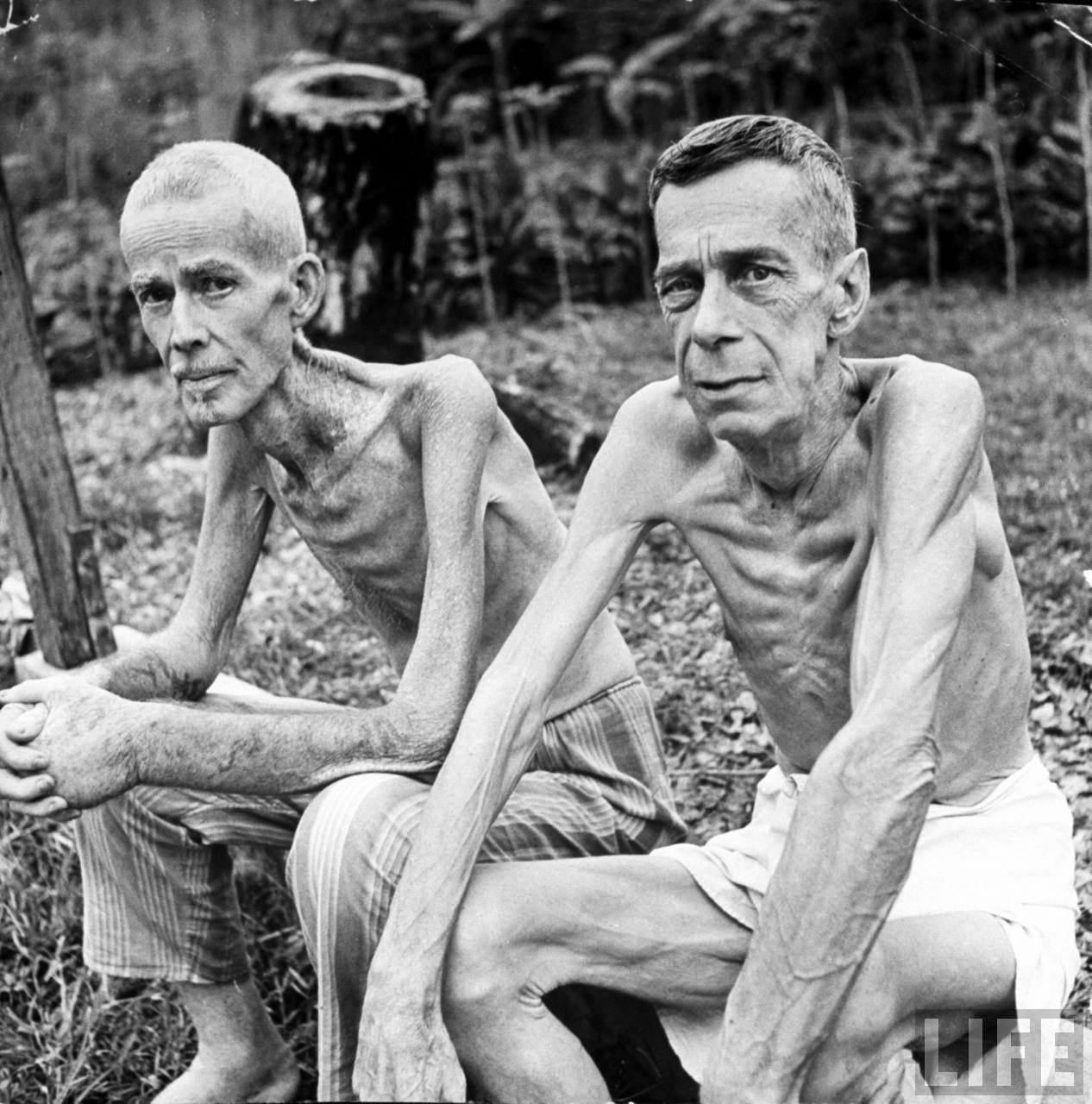
US civilians Lee Rogers (L) & John C. Todd sit outside gym, used as Japanese prison camp following their release by Allied forces liberating the city Santo Tomas 1945-02-05

Bulletin Board

“No one knows you were there unless you tell your story”
— Roy Livingstone, ex-POW

“Listen attentively, and remember that true tales are meant to be transmitted…
to keep them to oneself is to betray them.”
— Anonymous

“No, it is better to forget. That is a part of past history.
Things change and people change.
We have to plan today for a better tomorrow.”
J. C. Pardue re brutality and horrible experiences as a POW at Fukuoka #3

“But if a man live many years, and rejoice in them all;
yet let him remember the days of darkness…”
Ecclesiastes 11:8