|
Sendai POW Camp #4-B Ohashi, Iwate Pref. (also known as Kamaishi) |
| Camp List | Home | About Us |
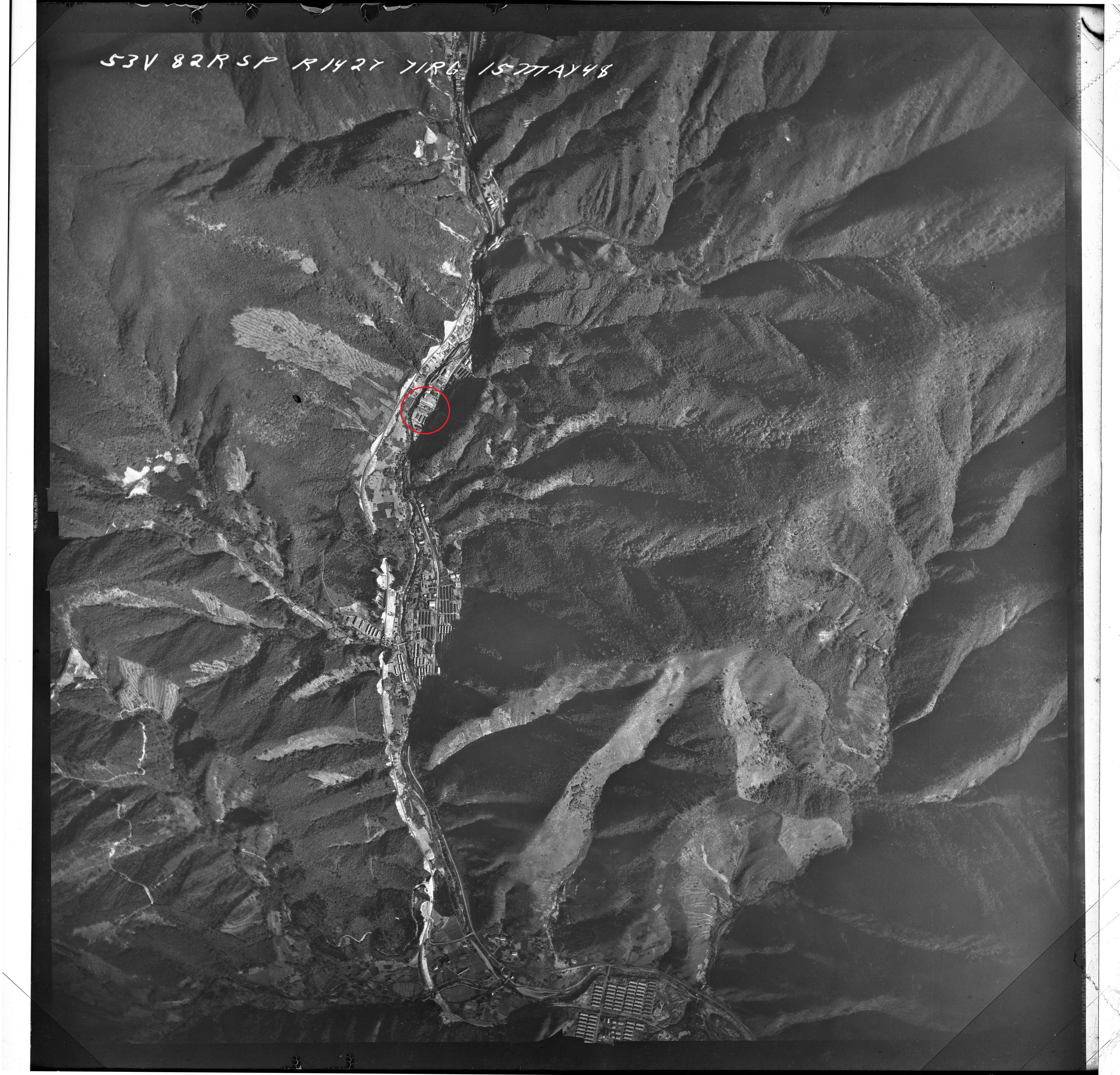
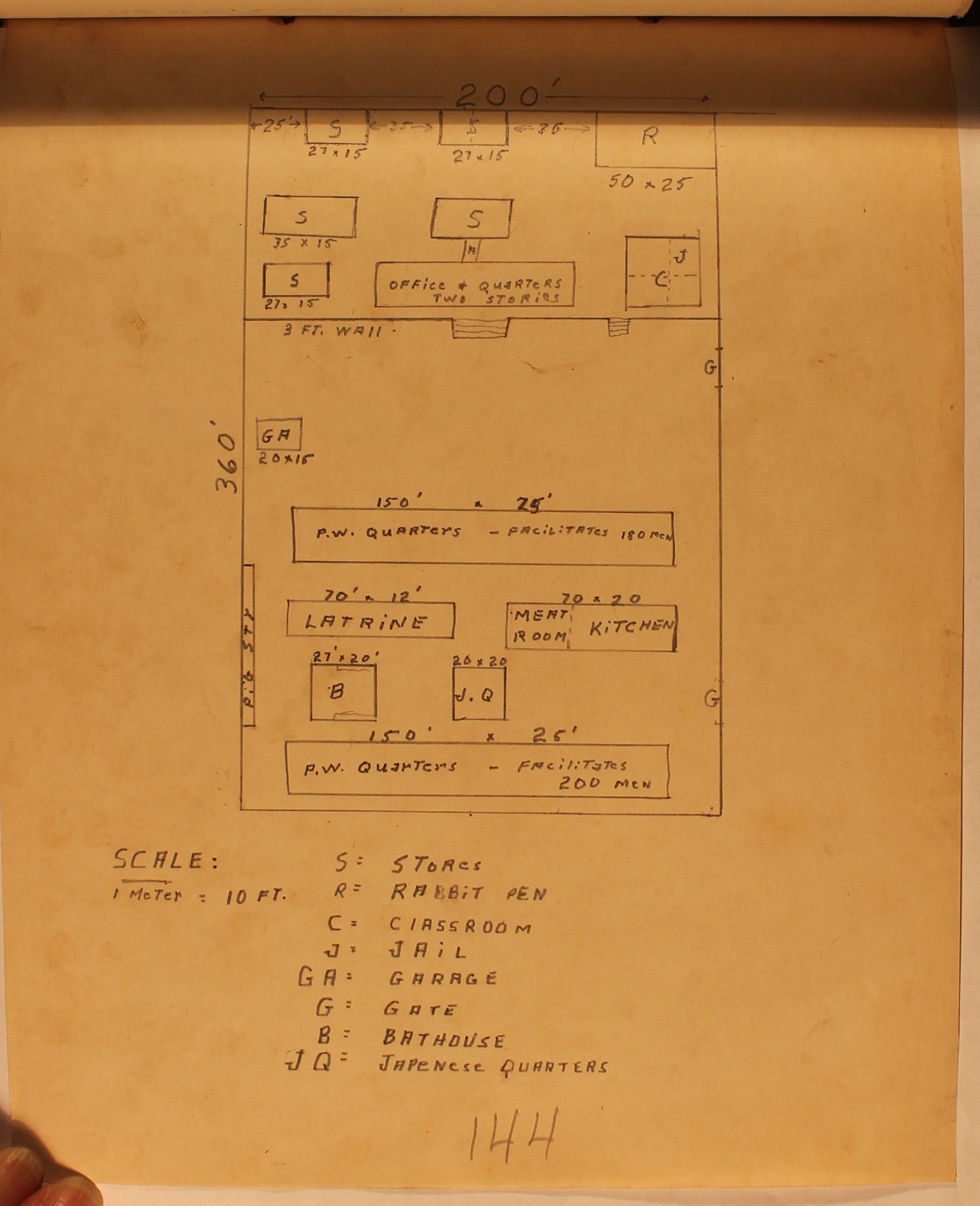
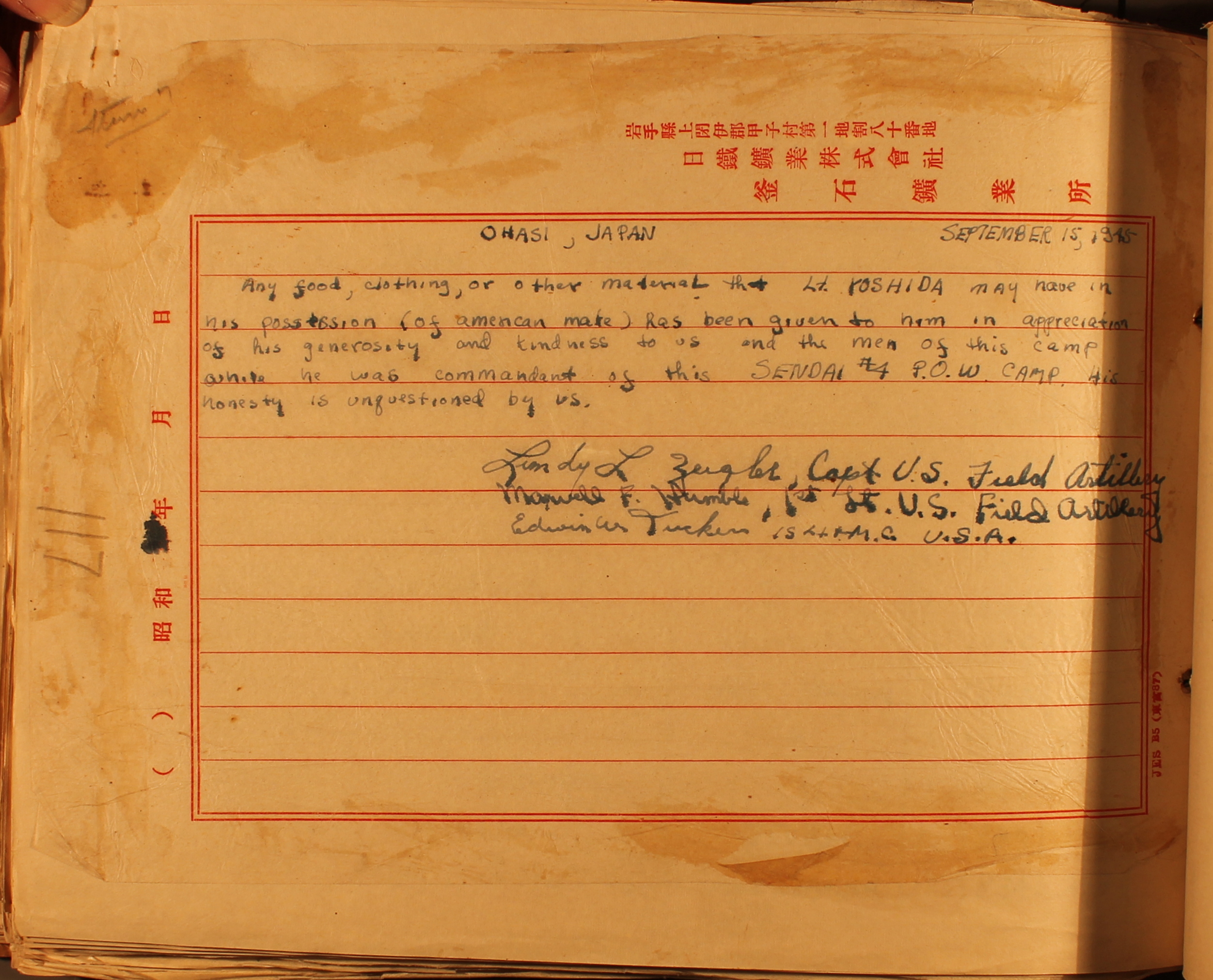
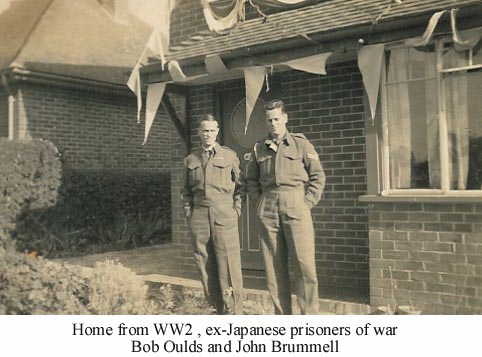
| Sendai #4-B (NIPPON SEITETSU KAMAISHI [OHASHI] KOZAN) IWATE-ken, KAIHEI-gun, KATSUSHI-mura Was Hakodate Camp #2-B, then became Tokyo #6, then Sendai #4 Satellite view Aerial (1948; courtesy of Japan Map Archives) Map of area History: 30 Nov 1942: Established; first located at KAMAISHI-shi 30 Mar 1945: Canadians transferred from Tokyo 3D to this camp 1 Apr 1943: Moved to IWATE-ken, KAIHEI-gun, KATSUSHI-mura No. 1, WARICHI 20 29 Apr 1943: Cable received from Red Cross listing 60 Americans transferred to this camp. 20 Apr 1945: Jurisdictional Control transferred to TOKYO POW CAMP 6-B 14 Aug 1945: Jurisdictional control transferred from TOKYO POW CAMP 6-B to SENDAI POW CAMP. Established as 4-B Sep 1945: Rescue effected Aerial Photograph 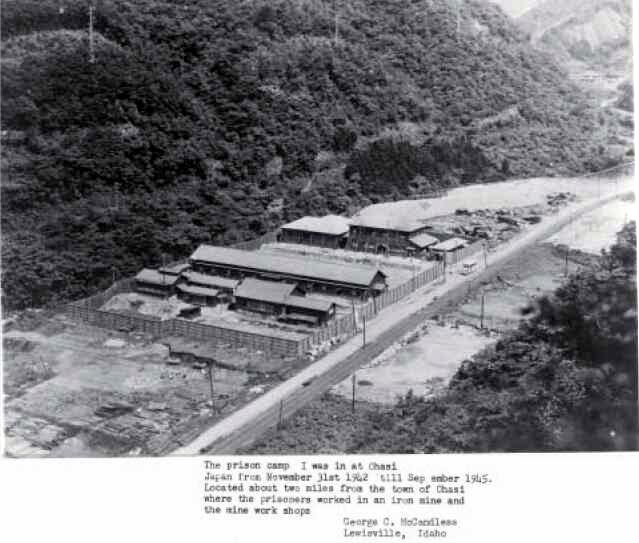 Sketch of camp Japanese Staff: Apparently the last Camp Commandant, 1st Lt Yoshida, was considered unusually kind to the POWs. A letter was written asking the occupation forces to treat him kindly. Signed by Americans Ziegler, Humble and Tuckers. 1st Lt YOSHIDA Zenkichi - Commandant at termination of war 1st Lt INAKI Makato - previous commandant Sgt Maj NEKO Zenzo - Medic on staff except from 26 May 1945 to 27 August 1945 IWASHITA Hiroe - Clerk employed by Kamaishi Iron Mining Company and appointed to look after the affairs of PWs employed at the firm NAGATA B. - President of NITTO & Co and employers of PWs through Kamaishi Iron Mining Company. OGURA Susumo - Manager in charge of work Kamaishi Iron Mining Company WATANABE Suekite - Doctor at Kamaishi Iron Mining Company FUJII Sannojo - Christian? guard, did nice things for the prisoners, but later convicted of war crimes 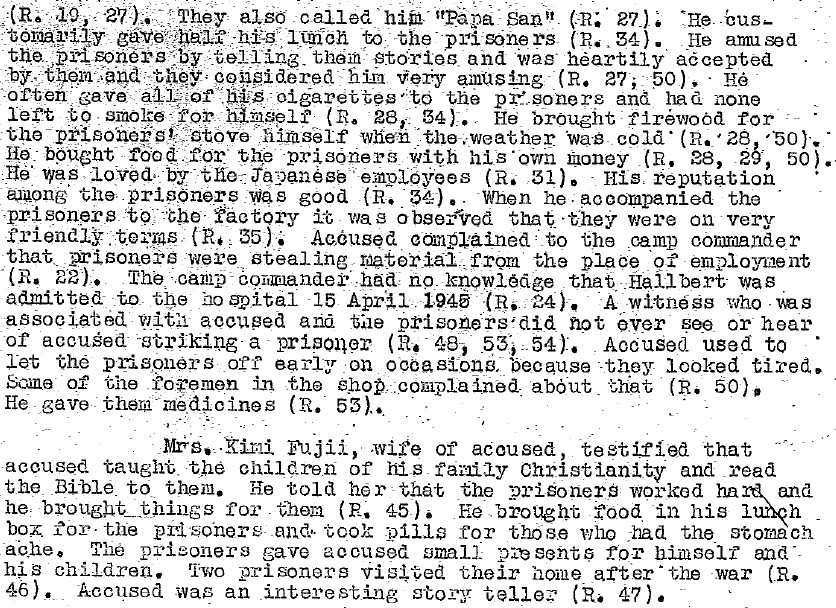 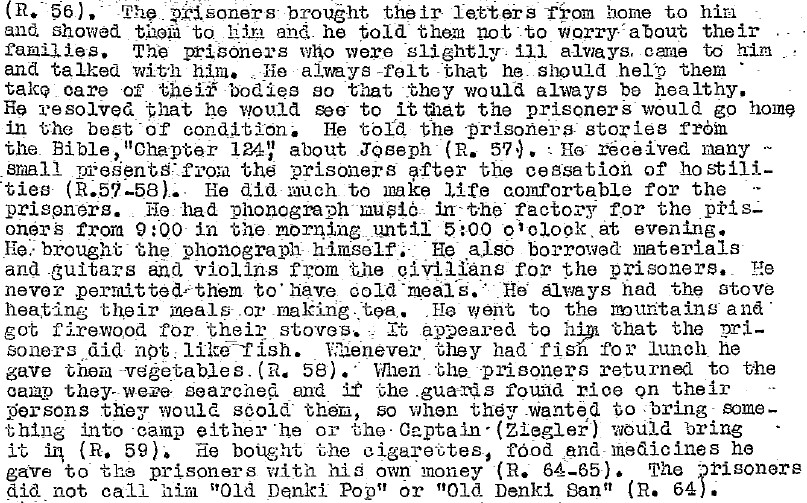 USMC- Jack Elkins Newspaper article Visit to POW Camp by daughter of Jerry Bunch: A fascinating and well-written "travelog" of her visit to Kamaishi and the camp. Speech by Yoshiko Tamura in Japan: ANZAC DAY 25/4/2004 Thank you very much for the invitation to speak today. It's indeed an honour as a member of POW Research Network Japan which was founded in March 2002 to get a chance to talk to you again about one soldier buried here in this New Zealand Section of the British Commonwealth War Cemetery, Yokohama. In this section, there are 13 New Zealand graves. All of them, except for one, died on duty in BCOF, the British Commonwealth Occupation Force. Only one of them lost his life as a prisoner of war in Japan. If you look at his plaque, just like all the others', you can only learn his name, his rank and organization, age and his death date. Some of them have inscriptions provided by the family. So you can see that his name was William Henry Brodie (CD 10), the Fifth Engineer Officer, Merchant Navy, serving on the m.v. Hauraki. He died on 10th August 1945 at the age of 30. According to the cemetery register, his home town was Canterbury, New Zealand; just five days before the end of the war. What happened to him? And where was he at that time? You can't get any more information from his grave marker. We have worked very hard to get more information, although we were told originally that there were no record left as all the documents were destroyed just after the war. But little by little we could manage to find and now we have covered almost all the personal details of each casualty. According to our research, we found Brodie was in the Kamaishi Camp in Iwate Prefecture (Sendai #5) and his death was caused by critical burns through shelling. At the last stage of the war, many POW camps in Japan suffered heavy damage from air raids in which many POWs lost their lives. Kamaishi, an industrial area near the sea, was badly damaged twice when allied warships bombarded shore installations in North Central Honshu. First on 14th July in 1945, the city and the ironworks were shelled. 1460 houses were burned and about 240 citizens died. 5 POWs were killed at the ironworks. A second time, on 9th August, the city of Kamaishi was again bombarded by British warships. This time they were rained with 2700 shells. 1470 houses were set on fire and over 100 citizens lost their lives. In the camp, 5 POWs died. Within the ironworks, workers and POWs ran into the shelters. 17 POWs died through gas inhalation and 20 others were injured. As a result of these two shellings, 32 POWs died, mostly Dutch and including 4 Americans, 2 British and 1 New Zealander. Last month, Mrs. Taeko Sasamoto, one of the co-representatives of our group, and I visited the U.K. to make further enquiries of some former POWs. One of them happened to talk about the shelling in Kamaishi. He was in the Ohashi Camp, which is in the mountains, about 15 km from Kamaishi. On the day Kamaishi was attacked, a camp doctor in Ohashi told the men that many POWs in the Kamaishi Camp were hurt and desperately needed help. He asked for volunteers to assist. This British POW decided to go with him. As he entered the camp hospital, he told us that he was astonished at the awful smell in the room and how badly the victims were burned. He took care of one man. He tried to give him some spoonfuls of soup. But his face was so badly gashed that he was terrible to see. He remembered this man couldn't drink well because of his damaged jaw. He tried to talk with him, but his voice was too weak and very hard to hear because of his poor condition. The only thing he could understand was that this man was British. After returning to Japan, I received an e-mail from New Zealand that this William Henry Brodie lived in New Zealand but his nationality was British. Only two British and 1 New Zealand casualties were in Kamaishi. Who can say that there's no chance that the British former POW we met last month in the UK took care of the dying Brodie? Our group has investigated many POW camps in Japan. We have accumulated a vast amount of information about the individualities buried here, but we still have work to do. Recently we are greatly encouraged, because quite often we exchange information not only with Japanese but also with people overseas and sometimes we get interesting information by Internet. Our group members helped me a lot in preparing this talk and I have included as much information as possible. Just before closing, I would like to tell you something. We have believed there's only one New Zealander's POW casualty in this cemetery. But there's also another New Zealander whose grave is in the British Section. This was pointed out by a young New Zealander who visited Japan recently. The sailor's name is Robert McNeill of Auckland (GD 13). He was working in a dockyard in Nagasaki and died there from acute pneumonia on 15th April 1944 at the age of 23 according to the record. Let's go and visit his grave, too, after the ceremony. There's one more I would like to tell you. The commandant of the Kamaishi Camp passed away some years ago, but his daughter is here today to attend the ceremony. Thank you very much for this honorable chance to talk to you. British POW Arthur Alfred Childs - born 24 Jul 1915 near Goldalming, Surrey; died 2003 Related: Bob Oulds - "a chap that lived in our village (Southwater, West Sussex), who was severely affected by his time as a POW." Note: Died while working on Thailand-Burma Railway? (Photos courtesy of granddaughter, Tracey Underhay) |
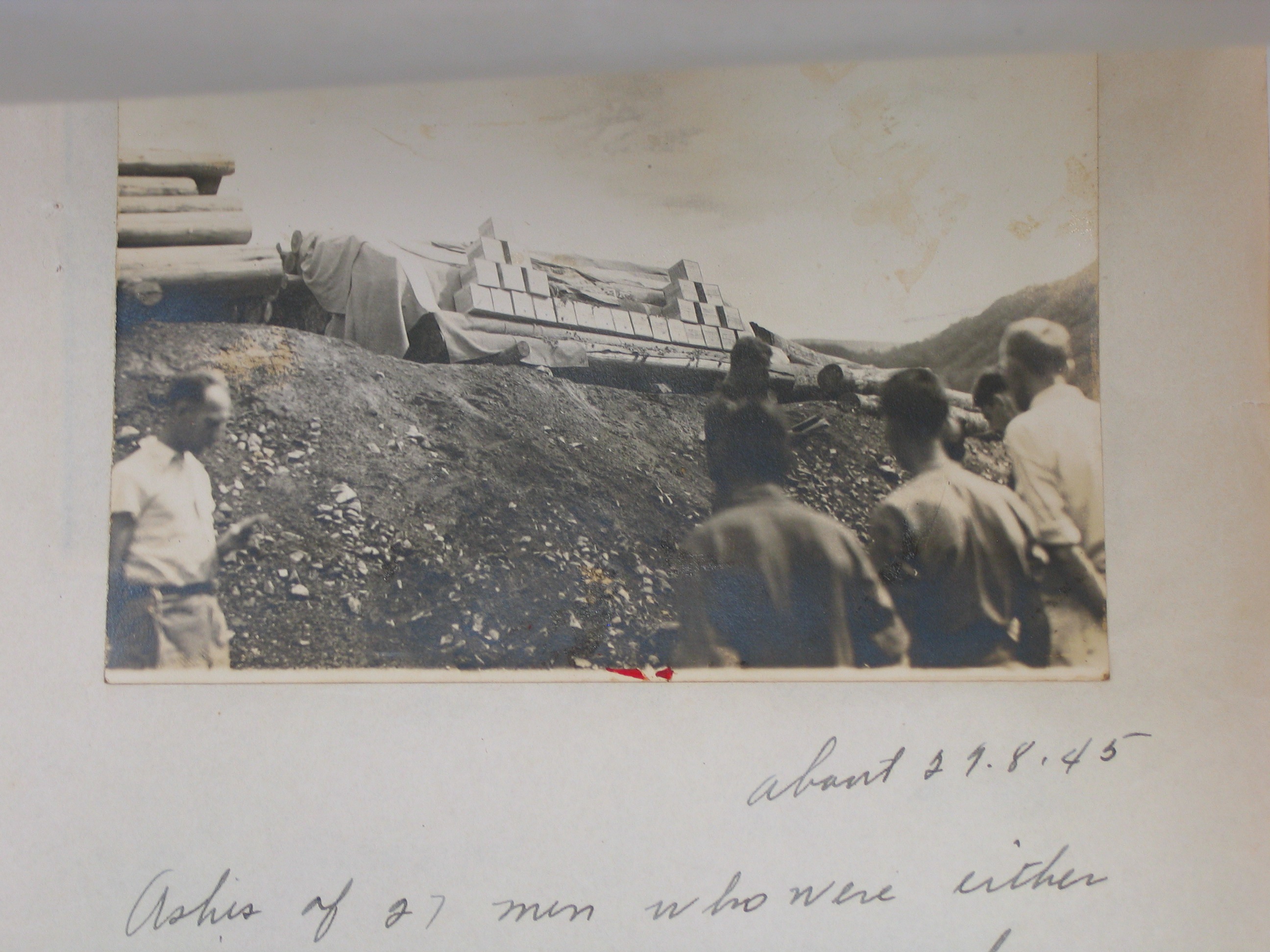
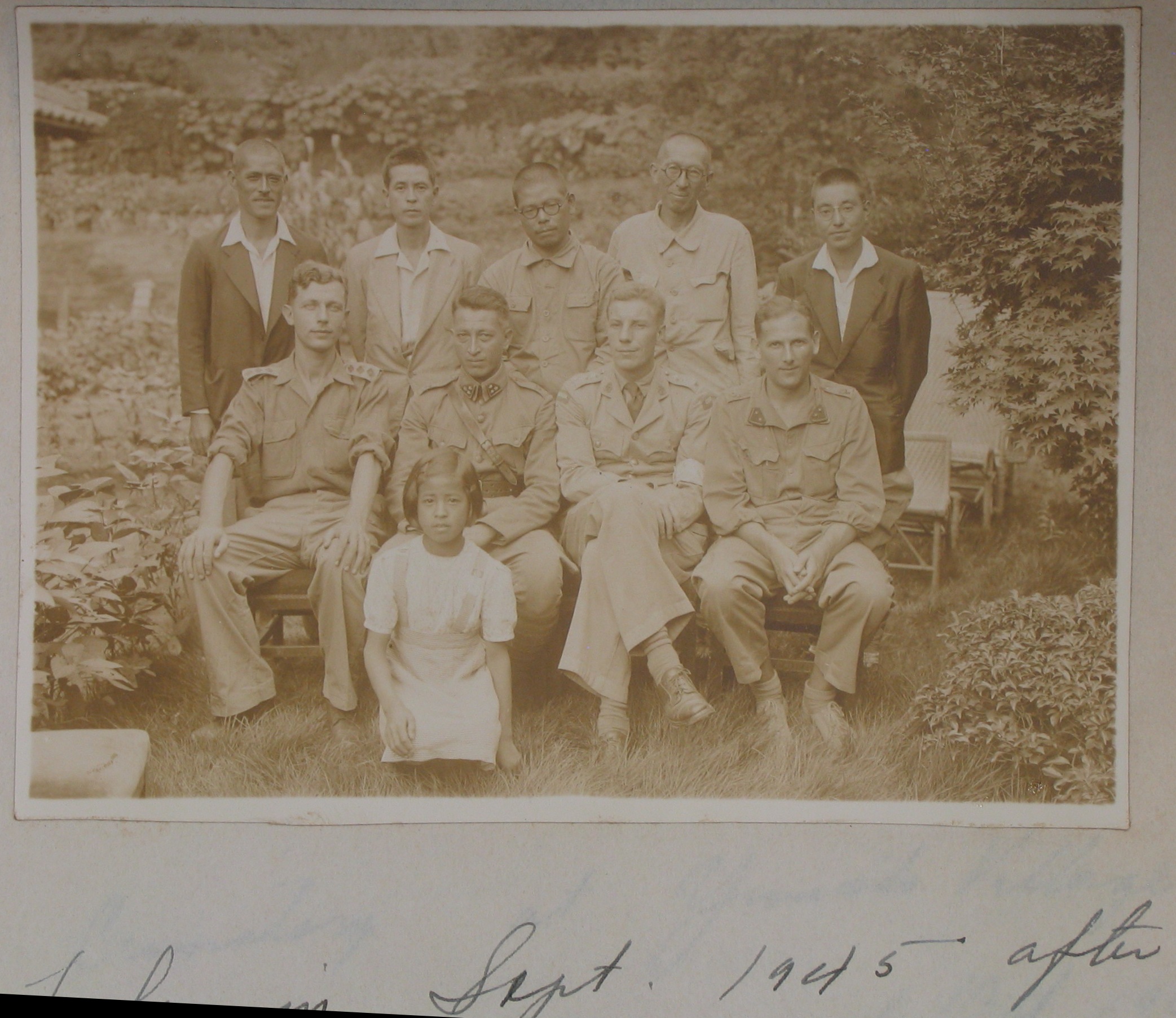
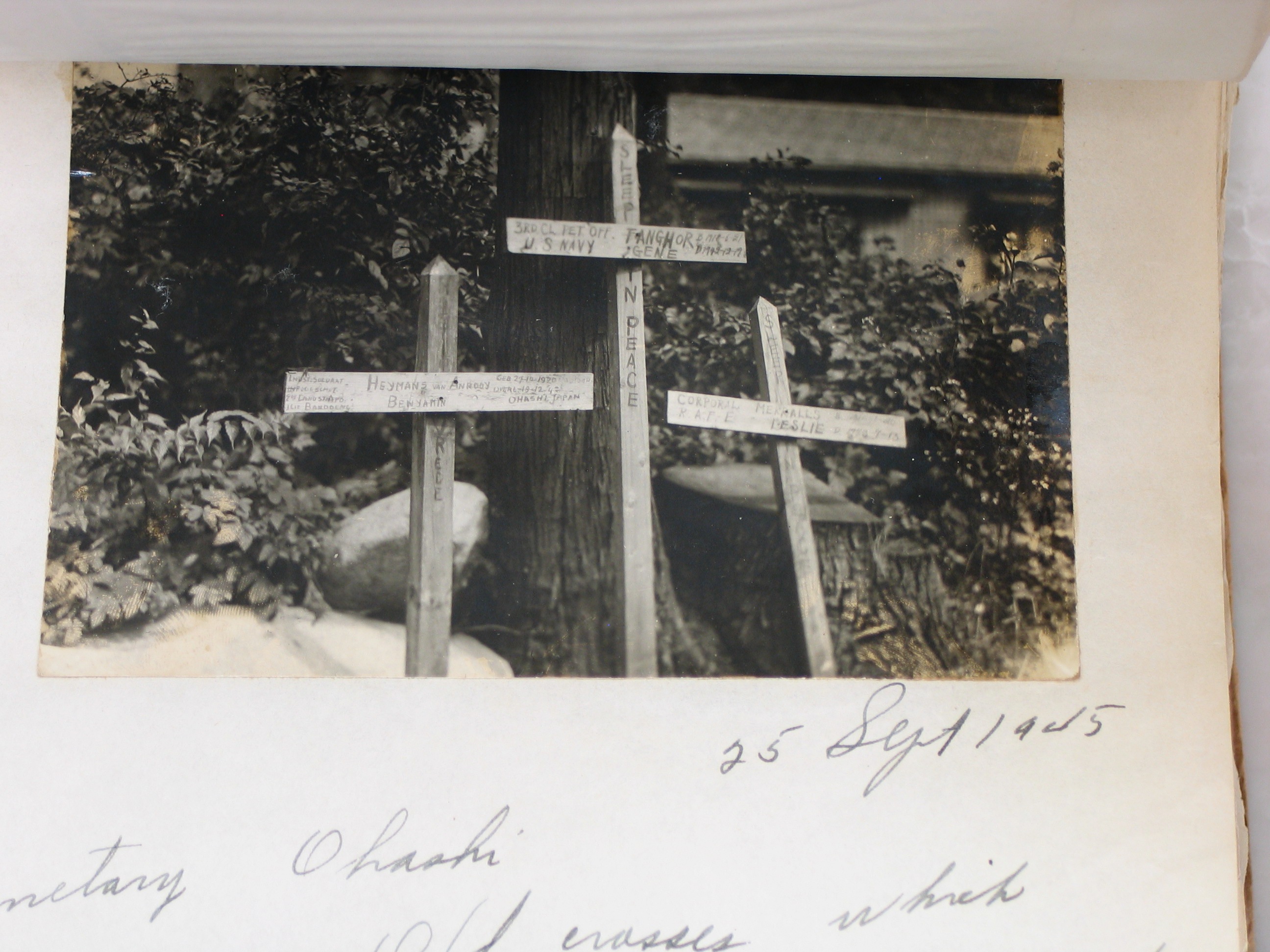
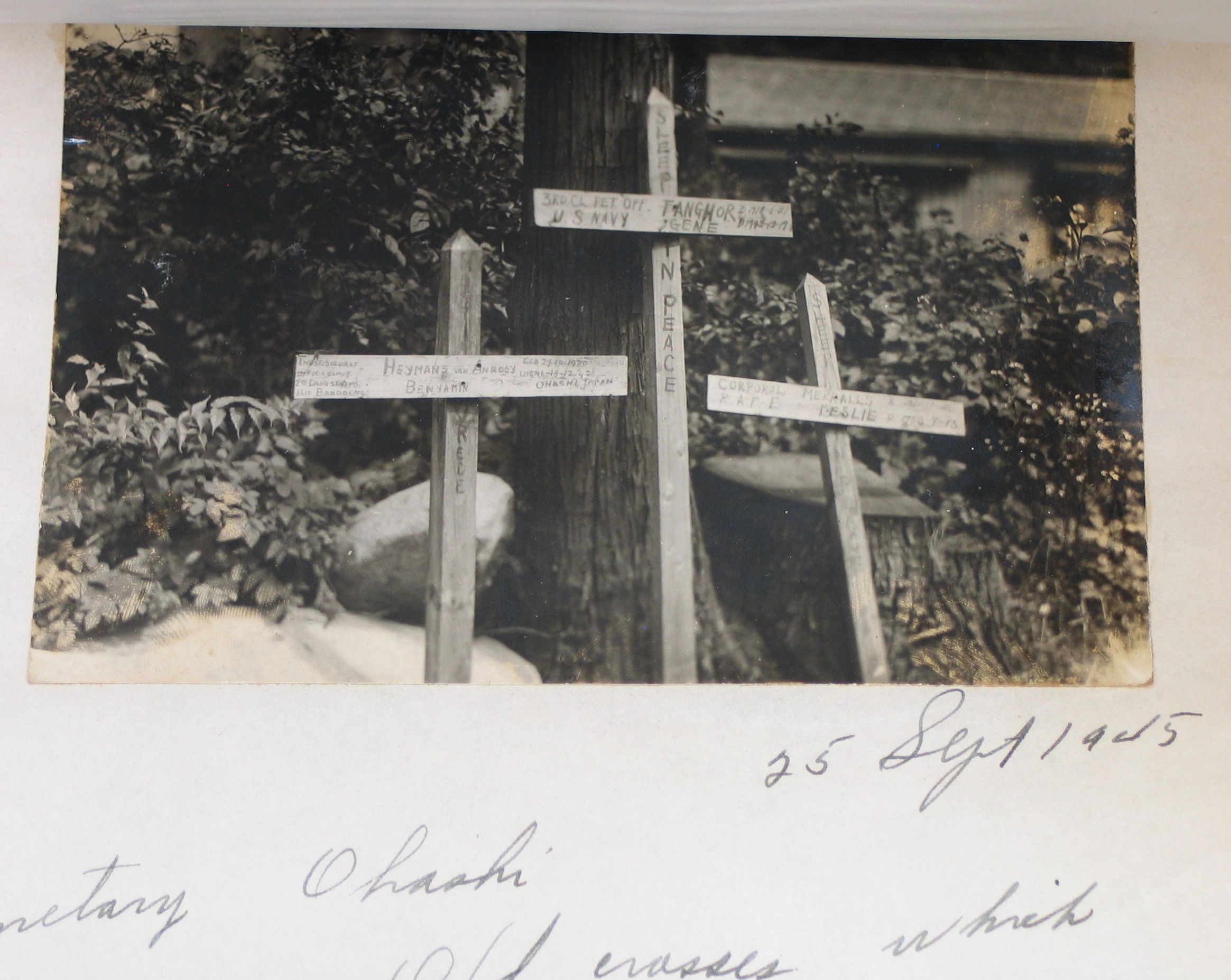
Labor: Slave labor in Nippon Steel's KAMAISHI IRON MINING Co. (currently Nippon Steel Works, Kamaishi); also at the NITTO Company, Charcoal Mfg Plant. NOTE: Just to the north of Camp #4-B, related Hashino Iron Mining and Smelting has been designated as a UNESCO World Heritage site of Japan’s Meiji Industrial Revolution. See also here. Hell Ships: Most of the British & Dutch men arrived Jan 1944 on the AWA Maru after having been transferred from Batavia to Singapore on the Tufuku (Tsufuku) Maru. Story of US Shelling of Camp - A thorough analysis of Navy attack on camp which killed a number of POWs, 14 July 1945. Initial Camp Inspection Report (SCAP) by Capt Todhunter and Lt. Kocher - details camp history, deaths and conditions. This was the preliminary inspection. Rosters: Total = 395 (198 Canadian, 93 Dutch, 56 British, 40 American, 8 Australian) American - 43 men at rescue; 24 were moved to the Morioka Hospital under the care of Navy doctor James E. Eppley, captured on Guam. Australian - 8 British - 56 POWs as reported Canadian - 198 Canadians as reported. Special thanks to Tony Banham and Vince Lopata for data base cross checking. Canadians came from Tok-03D-Tsurumi which came burned 16 Apr 1945 (per Vince Lopata, Canadian military historian); men departed 3D on 30 March (per research of Burke Penny). Dutch (93) Roster Aug. 15, 1945 (RG 389 Box 2070) Liberation roster with NOK (RG 389 Box 2071) - US, British, Canadian, Netherlands East Indies, Dutch, Australian Rosters and reports for Sendai #4 and #5 (RG 407 Box 115) - 327 POWs at No. 5 Camp, Sendai / 351 POWs at No. 5 Camp and in Morioka Military Hospital / Return of POWs / Roster Sendai #4 in April, 1945 / 32 POW deaths from Allied bombing / Return of POWs on Sept.4, 1945 / POWs sent to Morioka Hospital in August, 1945 / POWs sent to Tokyo for release / Statements / Reports / List of POW ashes / No. 4 Camp Ohashi Map / Bombardment accounts / Diseases / Diary-Log / Etc. Tops of certain pages (in the creases) read as follows: Investigation of POWs killed the 1st naval bombardment 14/7/45 Tokyo War Prisoners Camp VI Chief diseases during Sept. 1944, Tokyo Camp VII Chief diseases during Nov. 1944, Tokyo Camp VII Investigation of chief diseases Jan. 1945, Tokyo POW Camp VII Investigation of chief diseases March 1945, Tokyo POW Camp VII List of Patients, June 1945 - Sendai POW Camp VI List of names taken from clothing, canteens, misc. gear, haversacks, etc. belonging to ex-POWs and stored in the Kamaishi Police Station. Kamaishi Camp Report Deceased: Link to list of deceased- For accurate names, see the SCAP Inspection Report, paragraph #9. American Dead: Fanghor, Gene, GM3c, 3421075, USS Houston, 19 Dec 1942, Beri beri & Pneumonia Seidel, Alfred Glenn, EM2c, 3418737, USS Houston, 19 Dec 1942, pneumonia Photos: Group photograph appears to be taken at this camp at liberation - POW Elvin W. Nygaard web site. Men listed were at this camp. Misc camp photos (RG 407 Box 145): IMG 1364 photo ashes dead of 45.08.29 Sendai
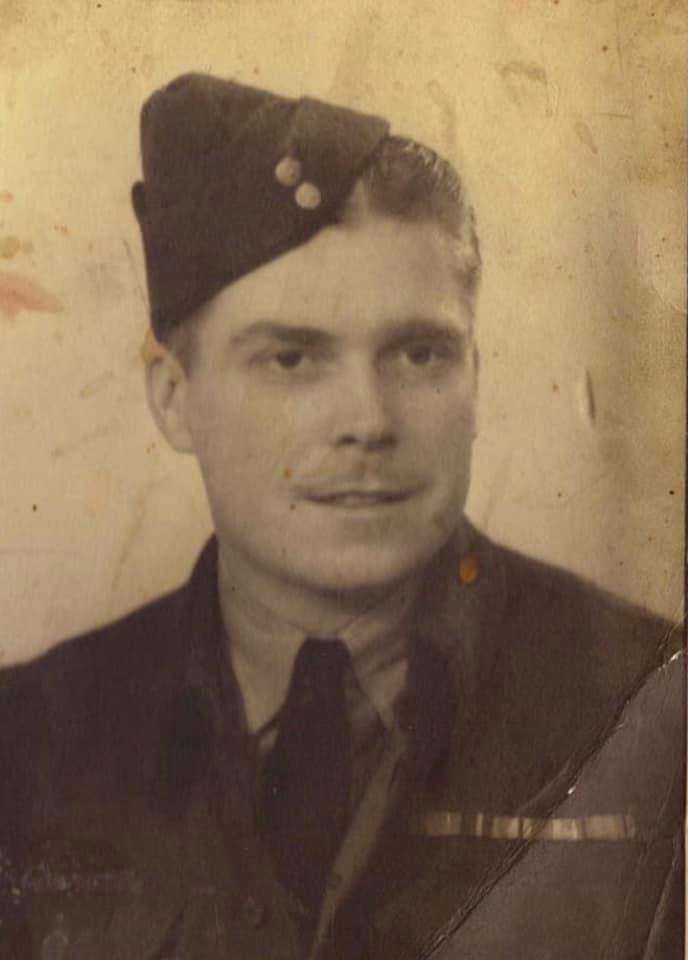
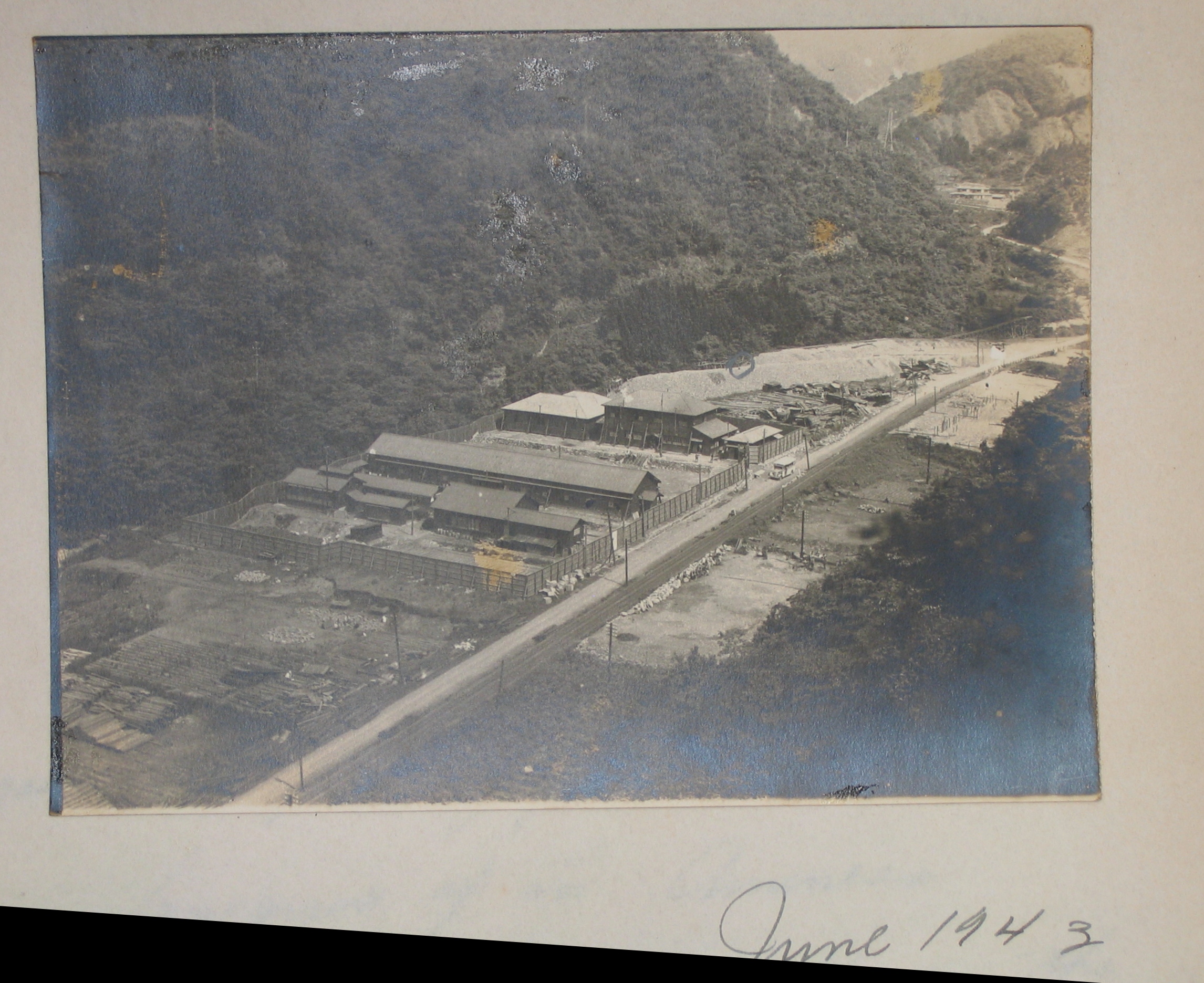
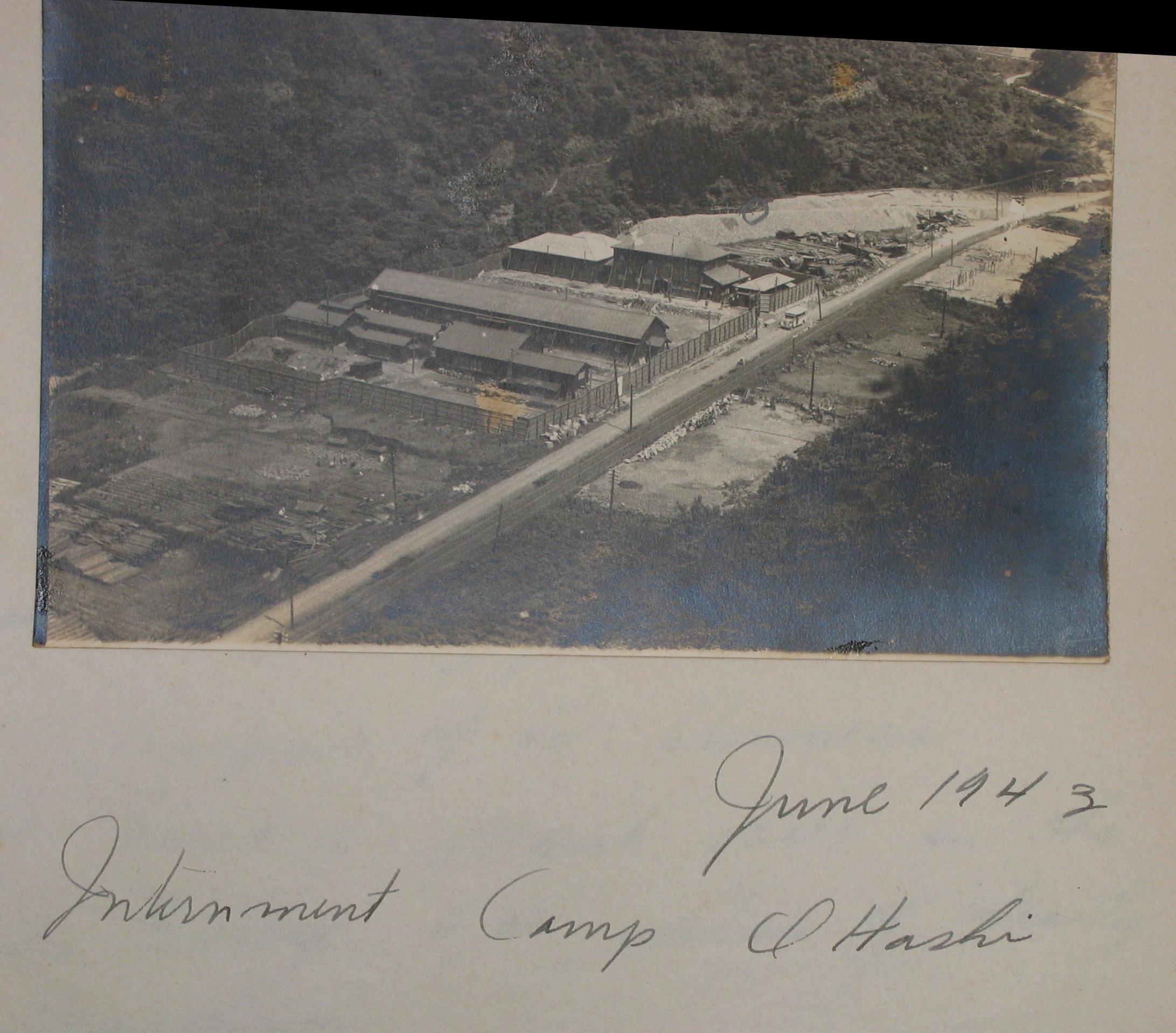
IMG 1365 IMG 1366_group pic_unk camp IMG 1367 Ohashi graves IMG 1368 IMG 1369 Ohashi June 1943 IMG 1370 Ohashi 1943 Courtesy of David Peck, Australia, son of Richard Peck, RAF:
Picture
1: It seems to be a kind of biography of Mr Masanori or Masake Naganuma
- Commandant, Kamaishi Mining Co. Hakodate, Hokkaido.
Despite difficult times, he made a big contribution to Kamaishi Mining Co. It praises his character and although not familiar with controlling prisoners, he made a good effort. He can speak English and understands the feeling of the prisoners. Good character. He is both a military person and has social person necessary to manage the camp. He had some difficulty between the military and the company because he was a sort of middleman between the military and company (2 masters with different interests). Despite that he never complained. He graduated at University of Waseda (in Tokyo) and entered a coal company in Manchuria. Then he went to military school and was posted to Manchuria in security work. Then he returned to Japan to the camp in Nov 19, 1942 and became commandant in April 1943. Then he went to Tokyo as Commandant at another prison before returning to Hakodate again. He was then promoted. Picture 2 (Detention Centre): - Photo taken from the nearby mountain in Jun 1943 - The Centre consisted of kitchen, bathroom, hospital, administrative office and second street (?) building - Initially 200 people were detained including US, UK, Aus, Dutch - Later another building was constructed so that 400 people could be detailed - The camp name changed from Hakodate Detention Centre to Tokyo Detention Centre to Sendai Detention Centre - At construction time there was no Company accommodation, but it is in this photo - There is also a new building for the Sangyo Houkoku kai. This is a sort of country wide industrial labour association which provided support the war effort (LINK). It may also have been some sort of news or propaganda office (government puppet organisation) for labour. Click on image for enlarged view
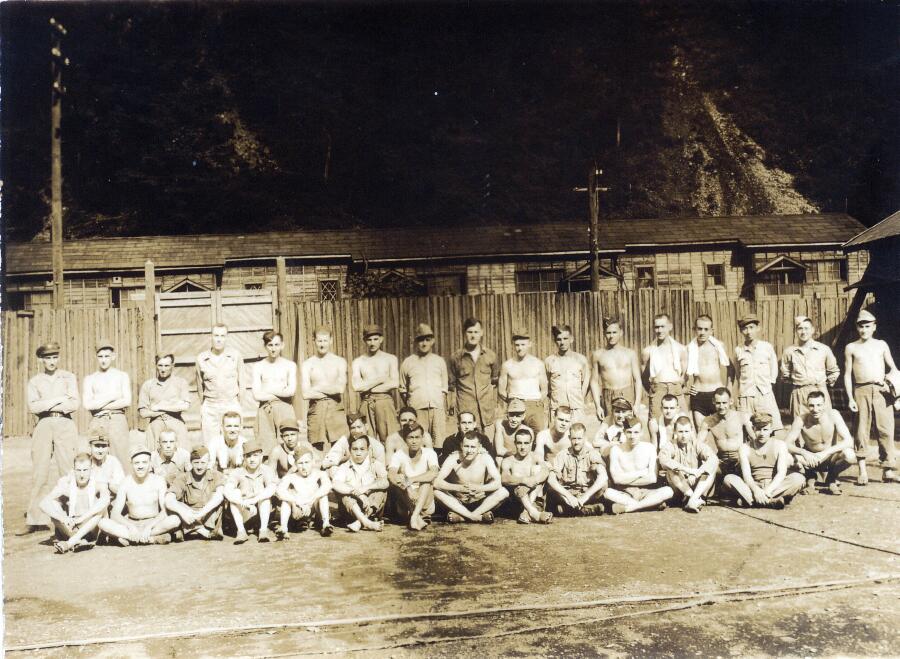 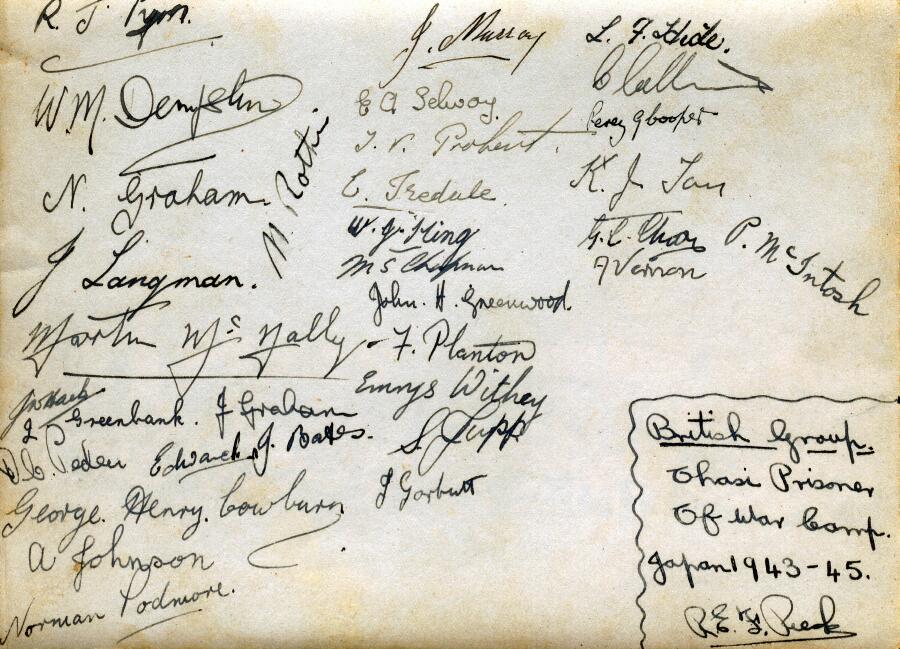 Ohashi British group 1943-45 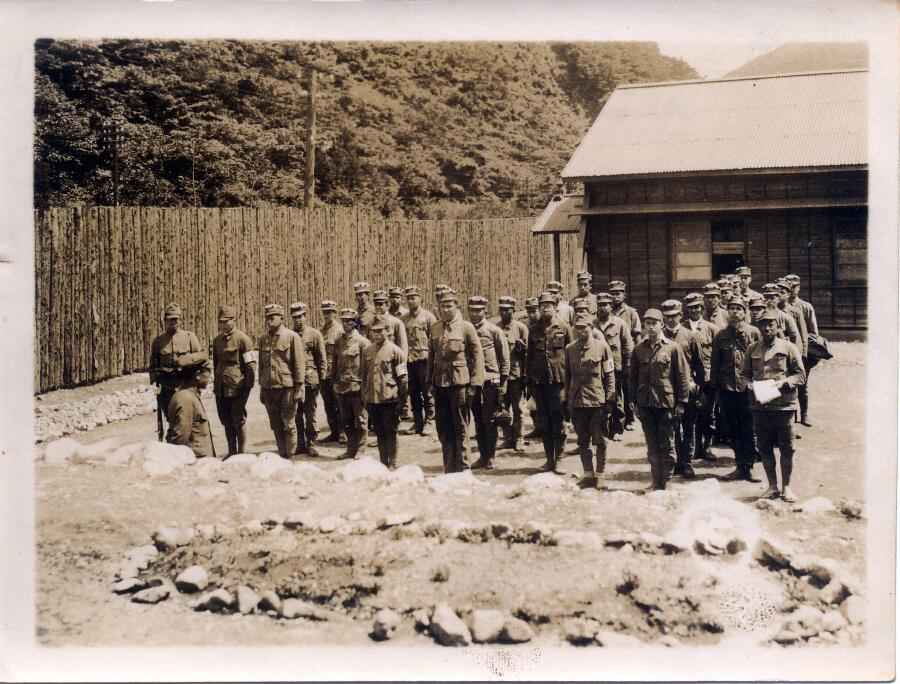 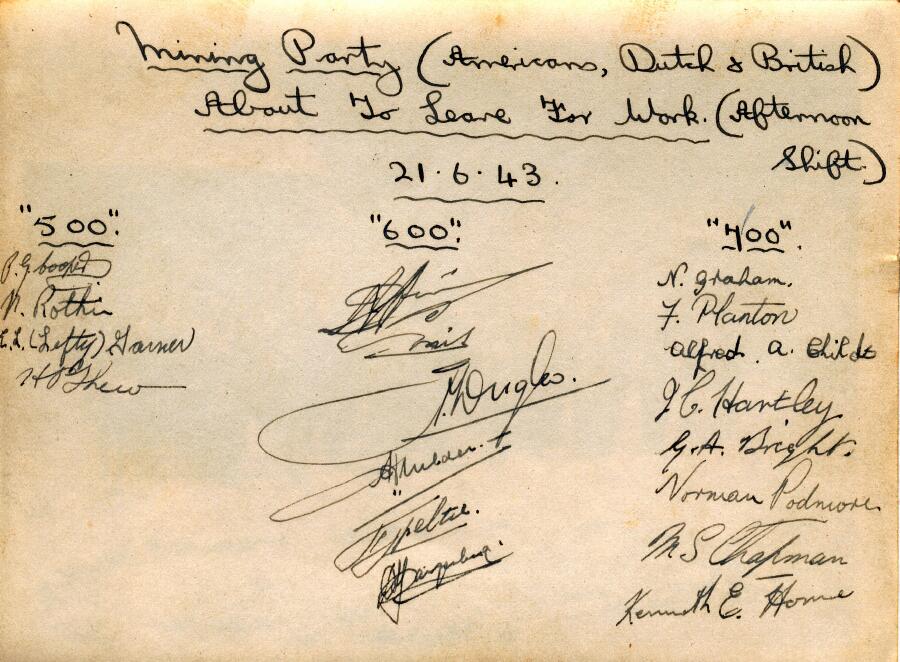 Ohashi mining party 210643 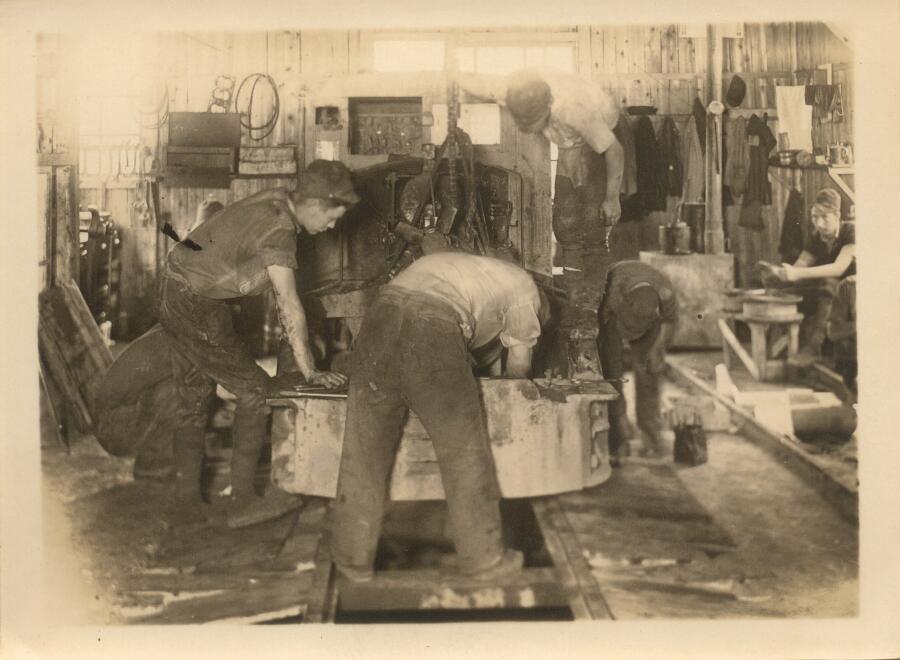 Ohashi workshop 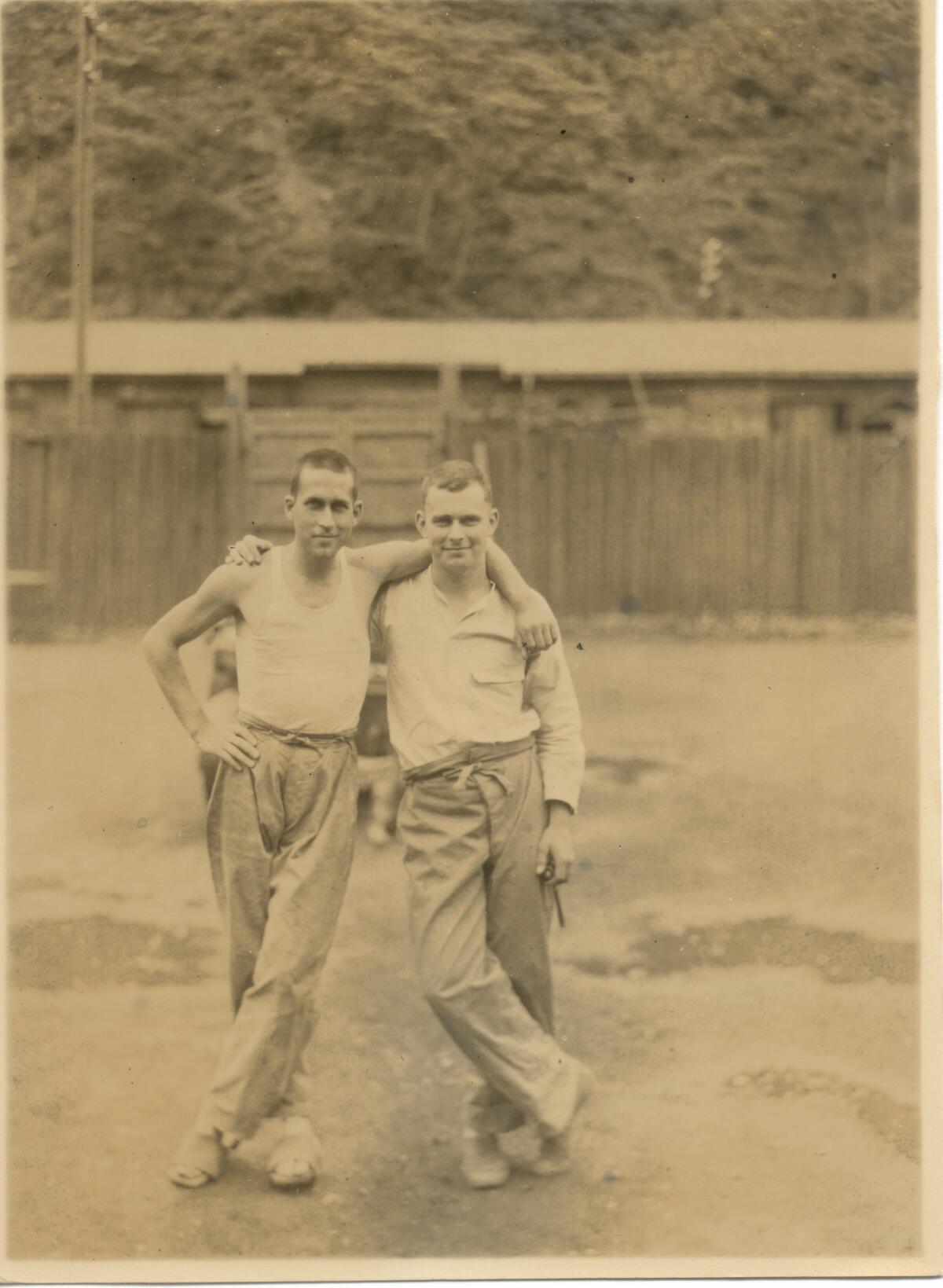 Richard Peck and Leonard Hide 020945 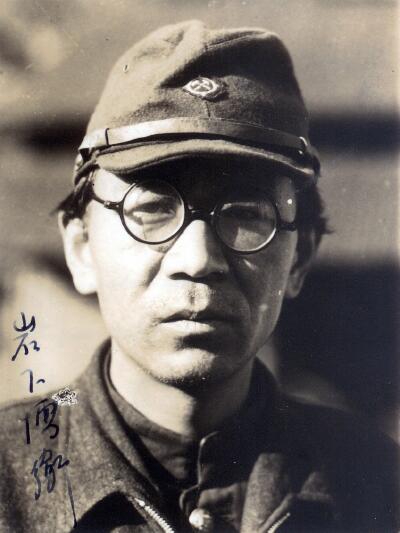 Hiroe Iwashita “Official Civilian Interpreter & Representative of the Mining Company, Photographer & Good Friend of All – Iwashita San. Ohasi Japan 1945” 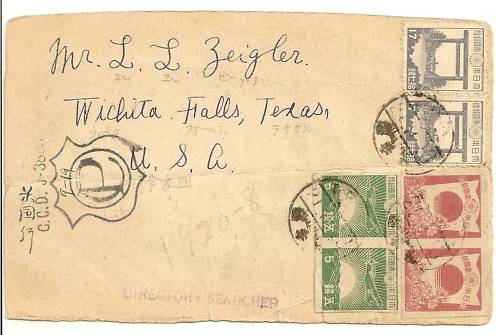 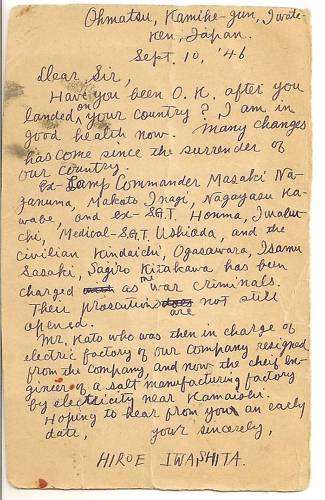 Iwashita Letter to Ziegler 1946 Ohashi notebook excerpts (Camp commander Naganuma bio, Ohashi & Hakodate camps, personnel, POWs) 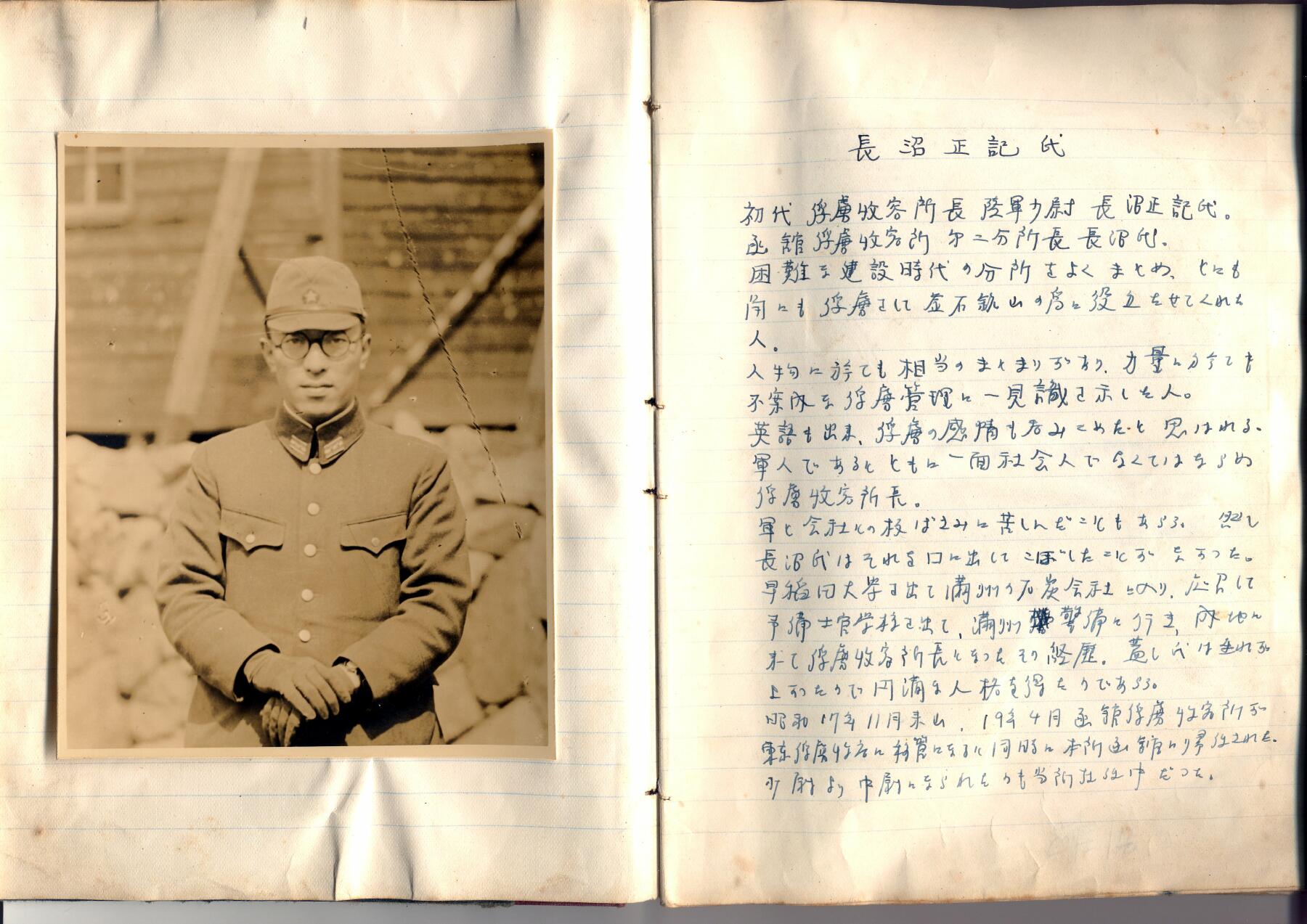 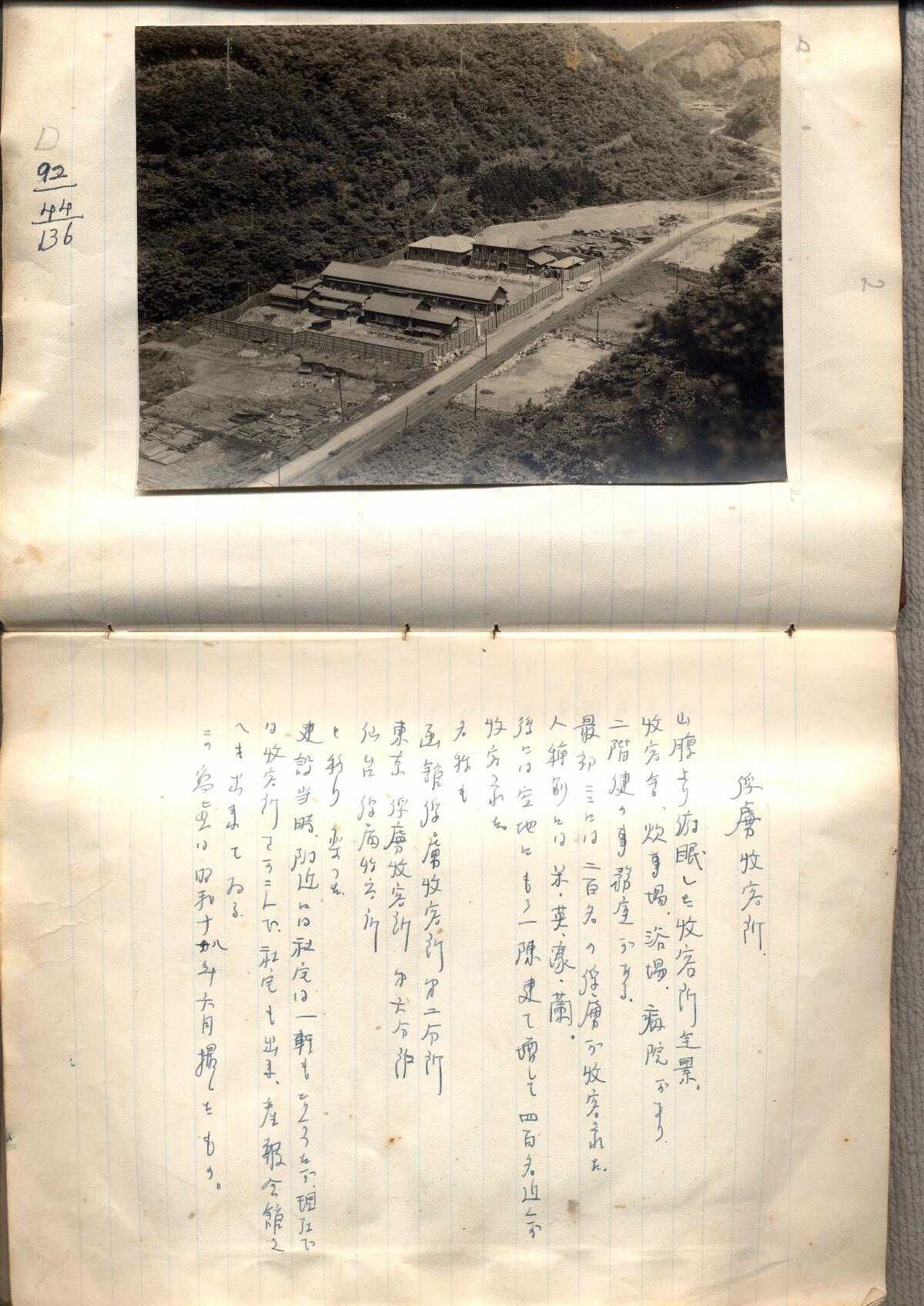 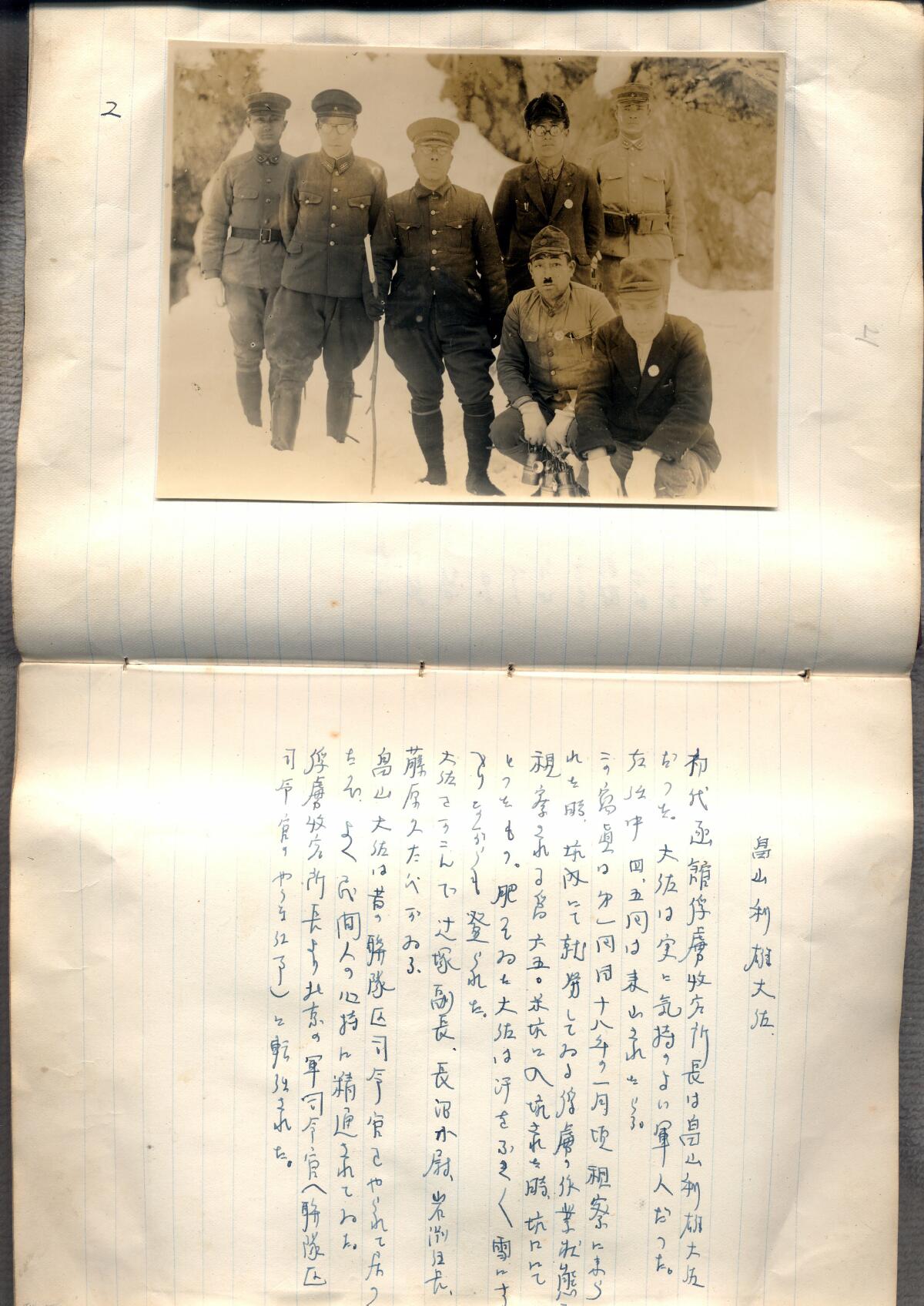   |